01 / Refrigeration
Walk-in coolers & freezers
Temperature problems, icing, compressors, evaporators, doors, controls, leaks, and airflow issues.
Greater Boston commercial refrigeration
Commercial refrigeration repair for restaurants, cafés, hotels, markets, schools, and commercial kitchens. Clear diagnosis, practical options, and responsive service.
 4.9
 5.0
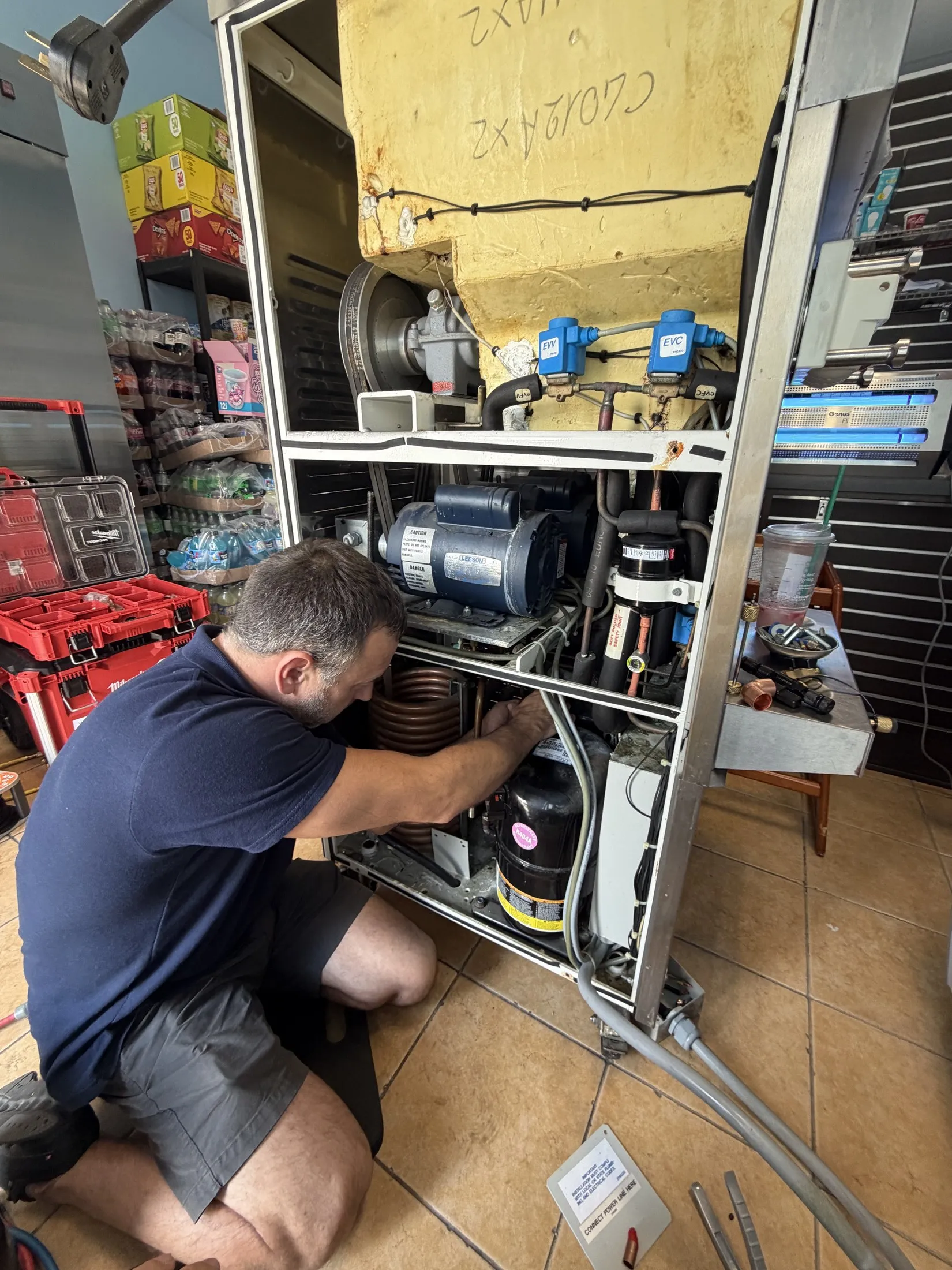
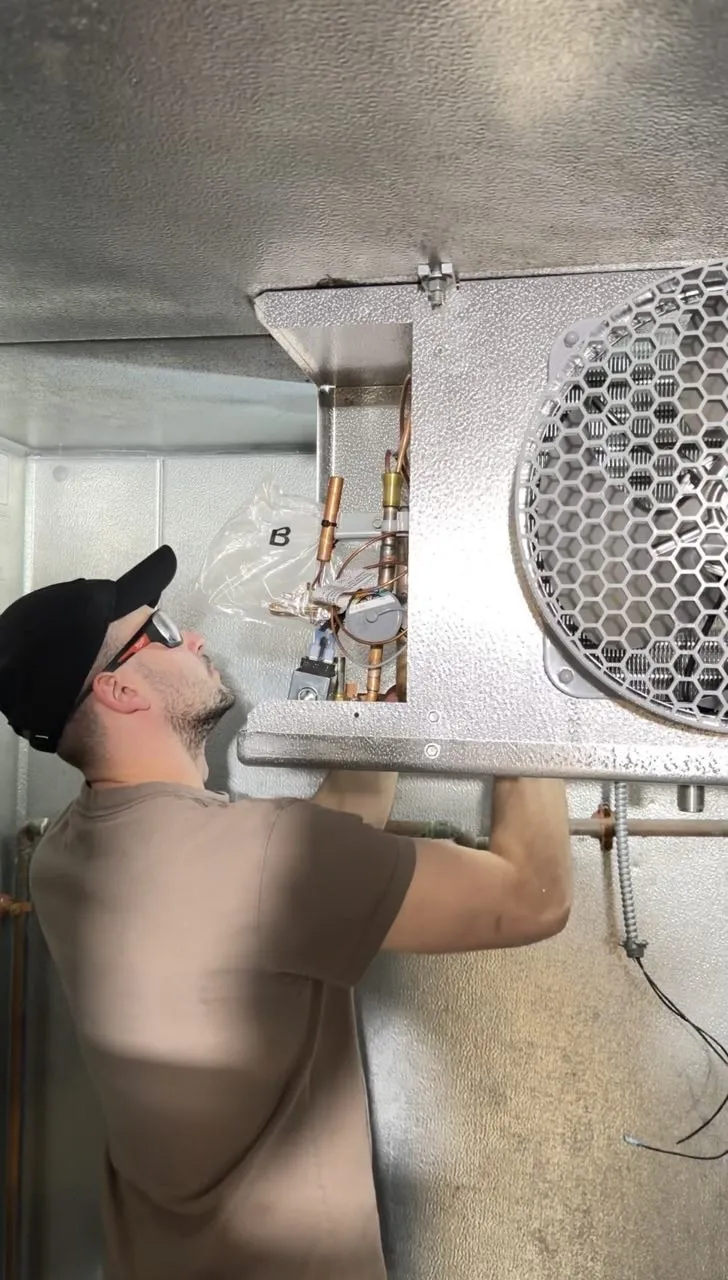
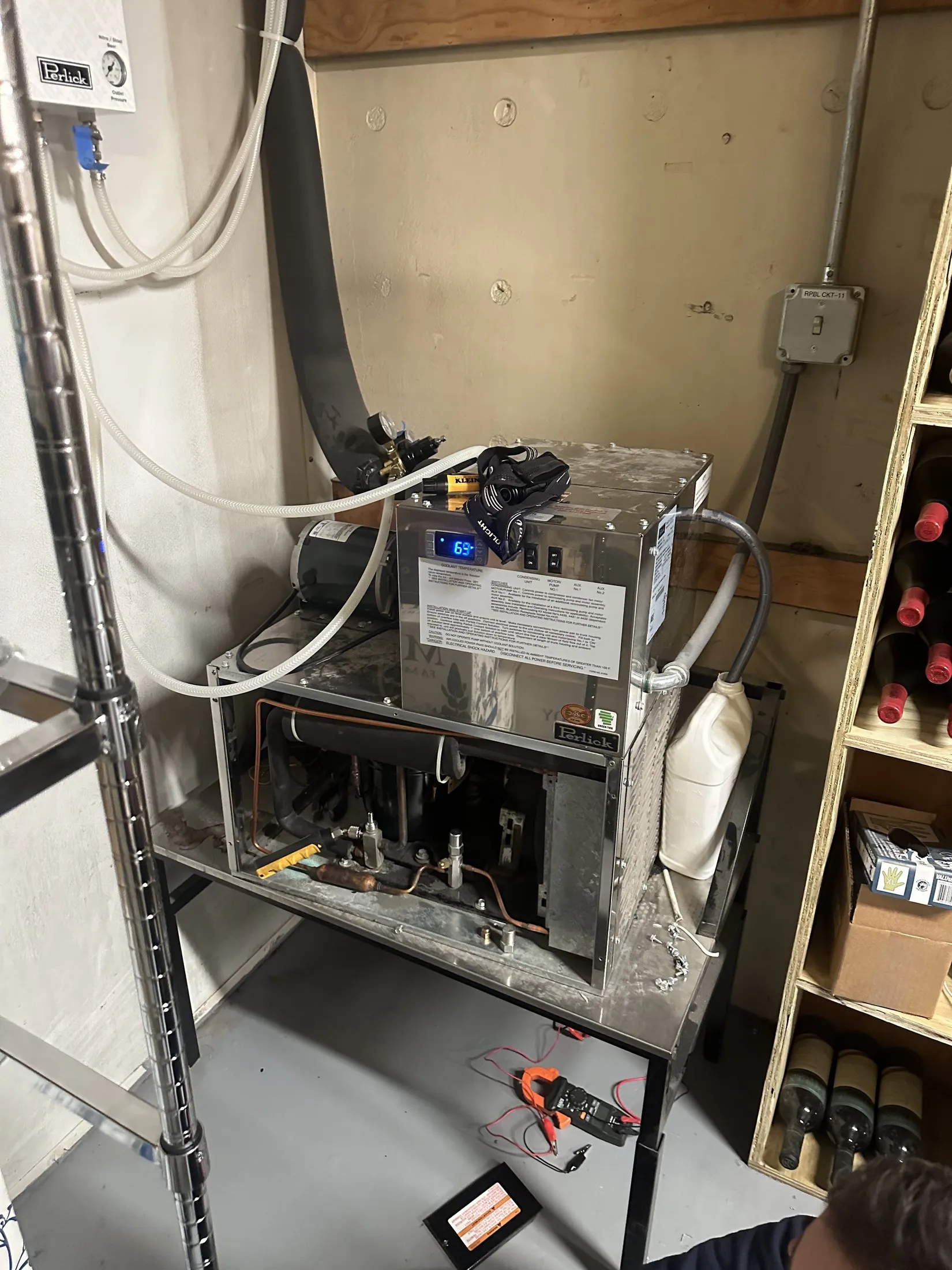
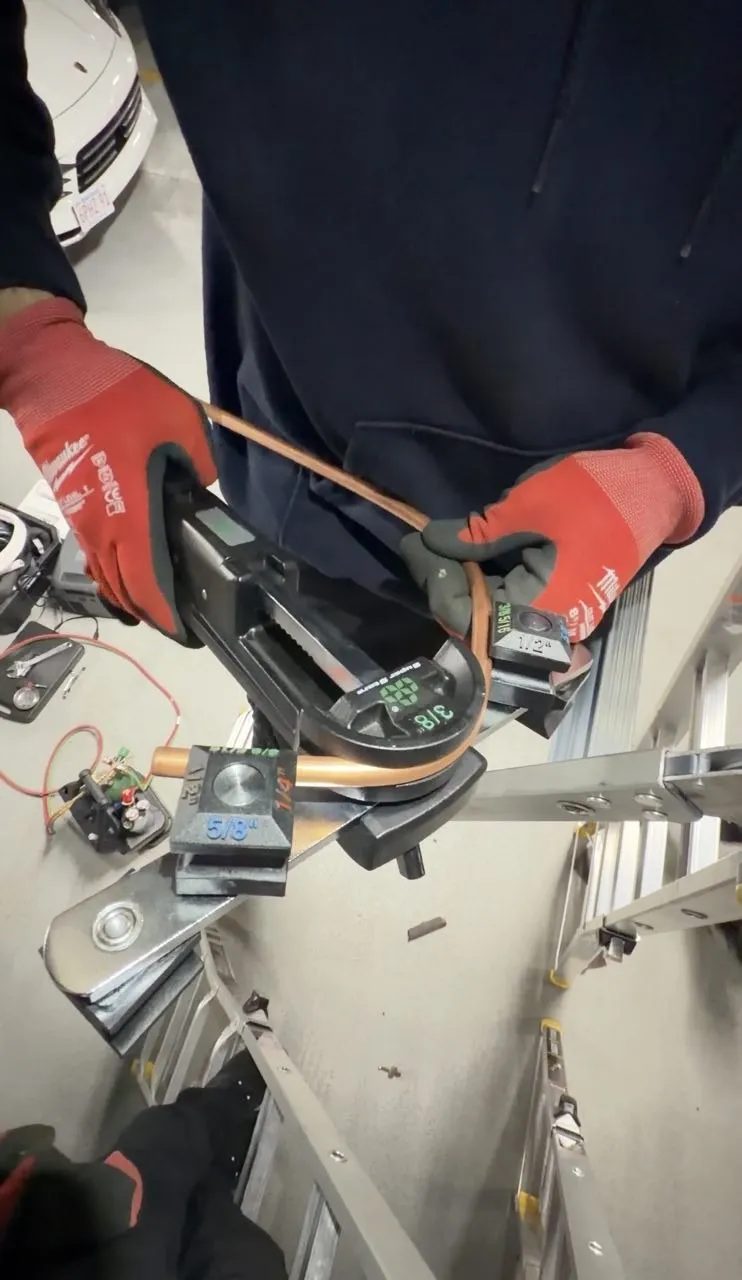
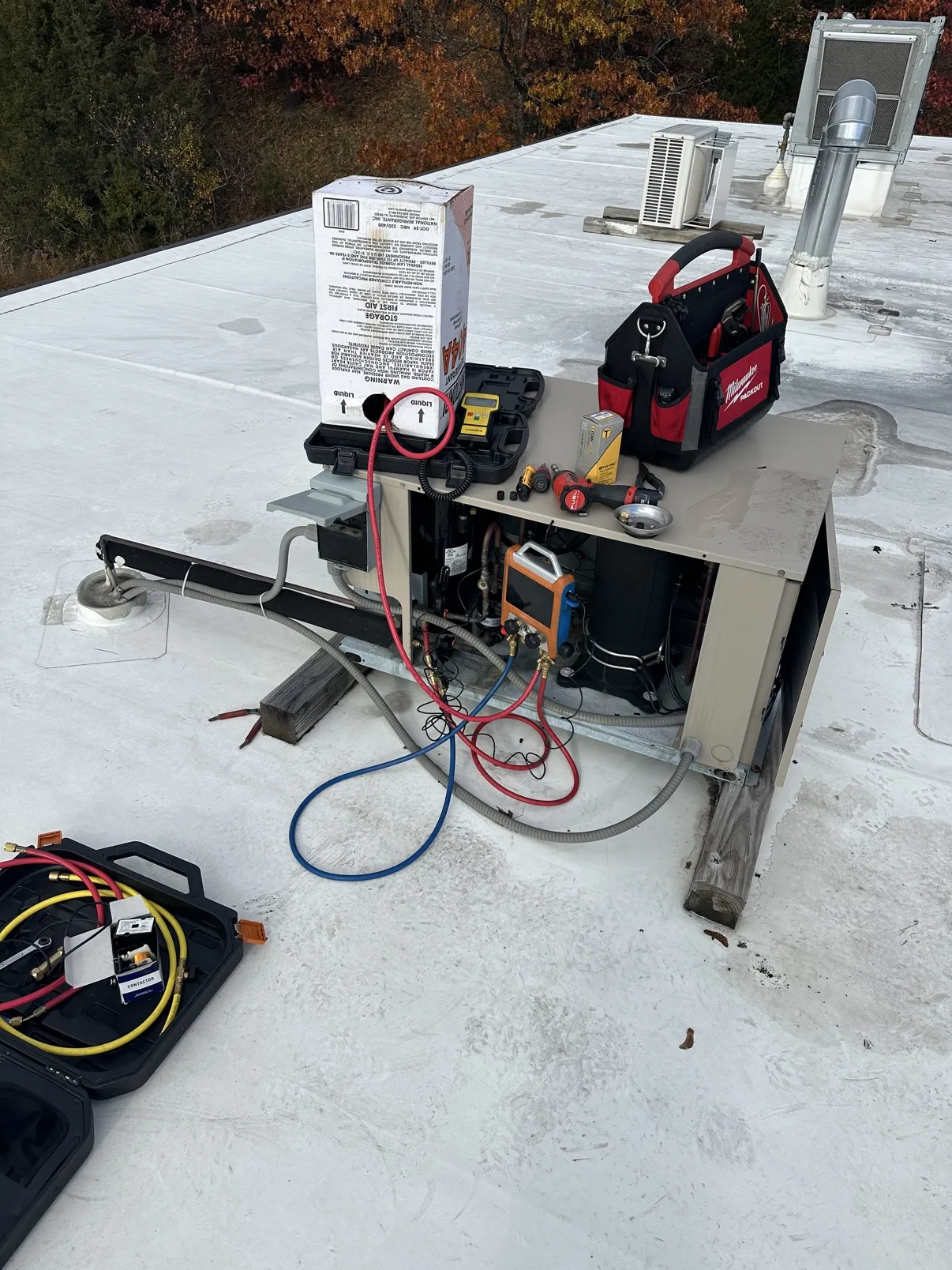
Commercial repair offer
When an approved repair is completed, the diagnostic charge is waived. Ask the service team to confirm the offer when scheduling.
Equipment we service
From a warm walk-in to an ice machine that will not harvest, we troubleshoot the complete system—not just the symptom.
Temperature problems, icing, compressors, evaporators, doors, controls, leaks, and airflow issues.
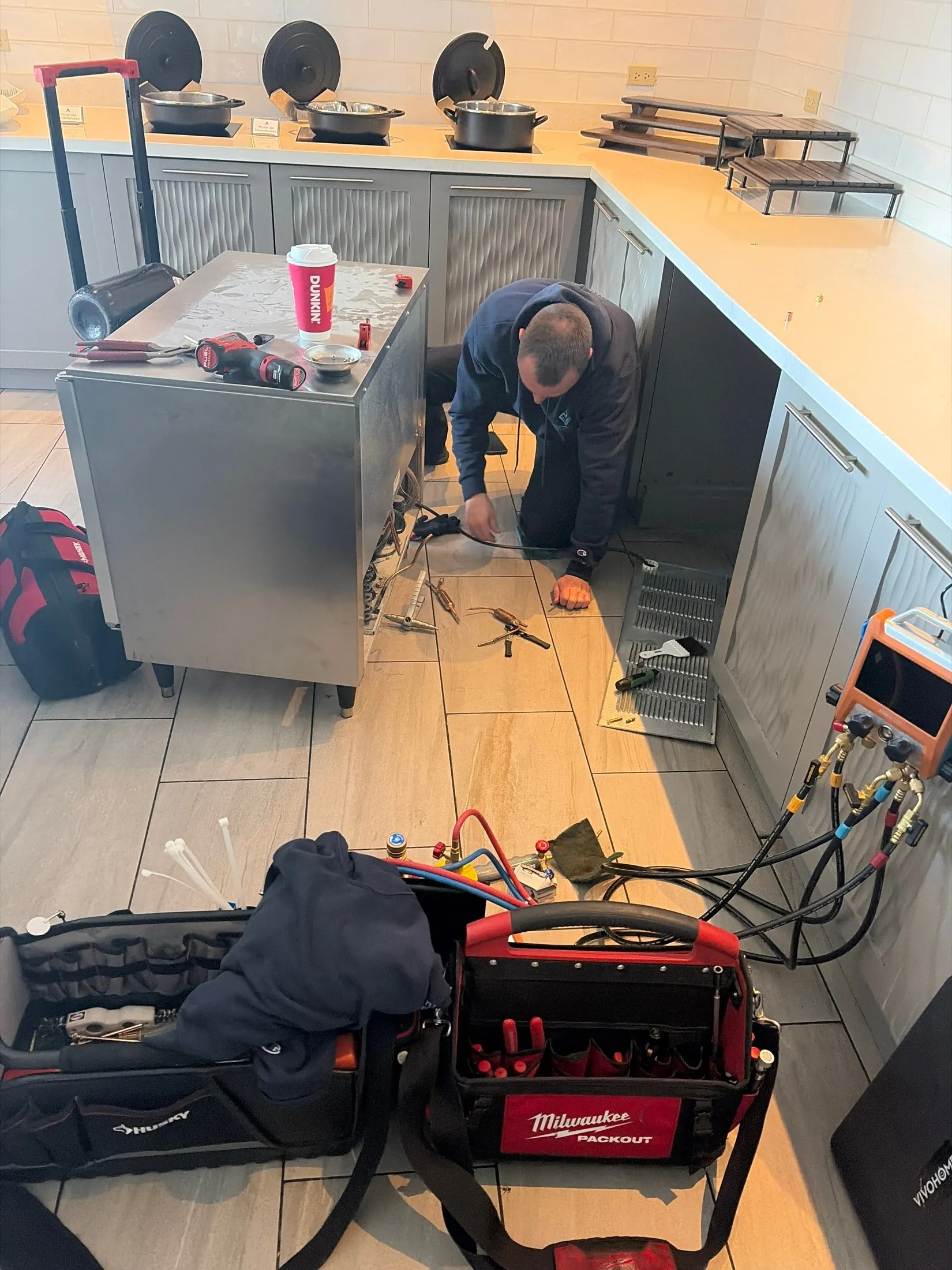
Prep tables, reach-ins, worktops, bar coolers, and compact commercial refrigeration.
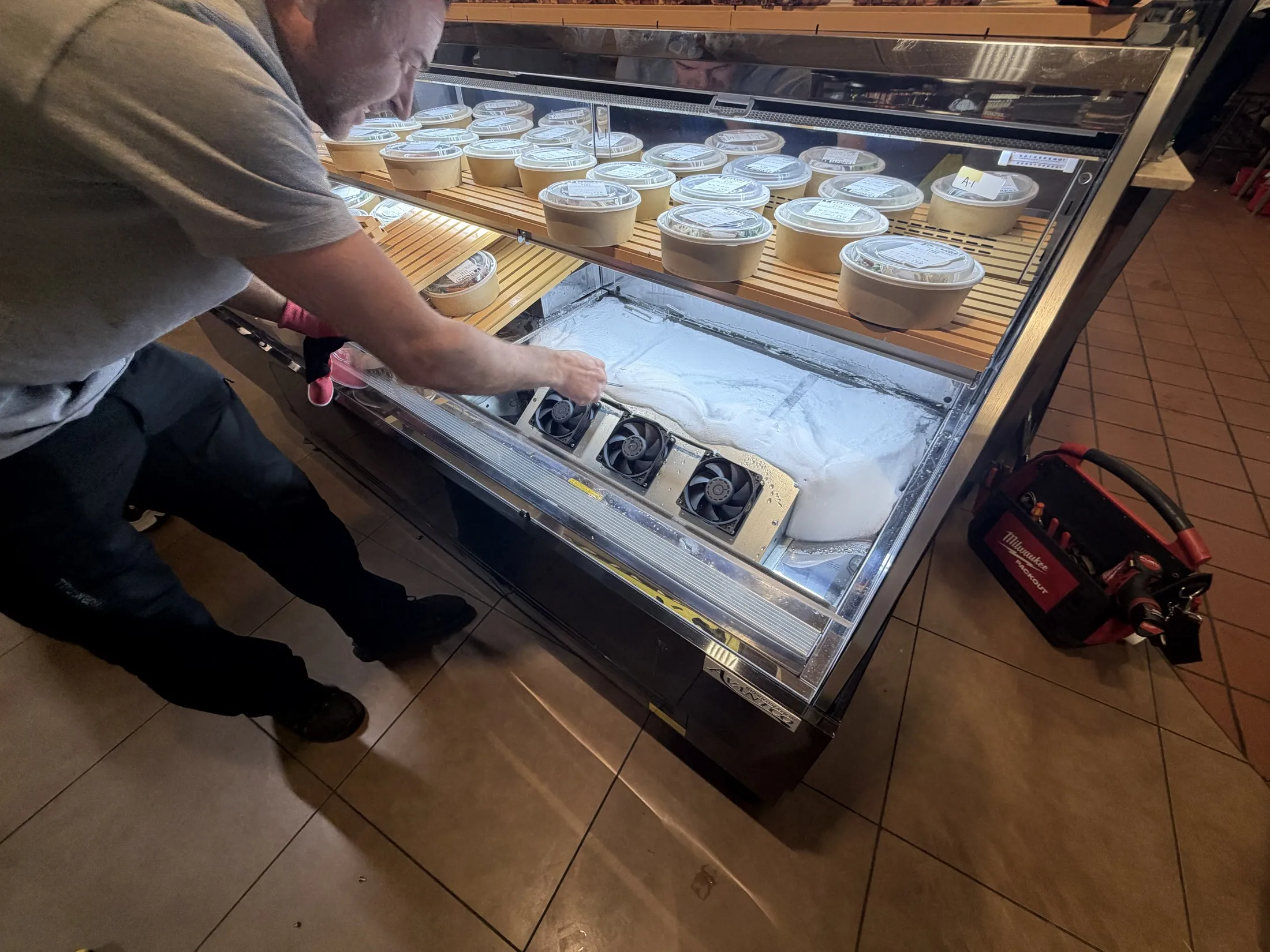
Glass-door coolers, open-air cases, beverage merchandisers, and retail displays.
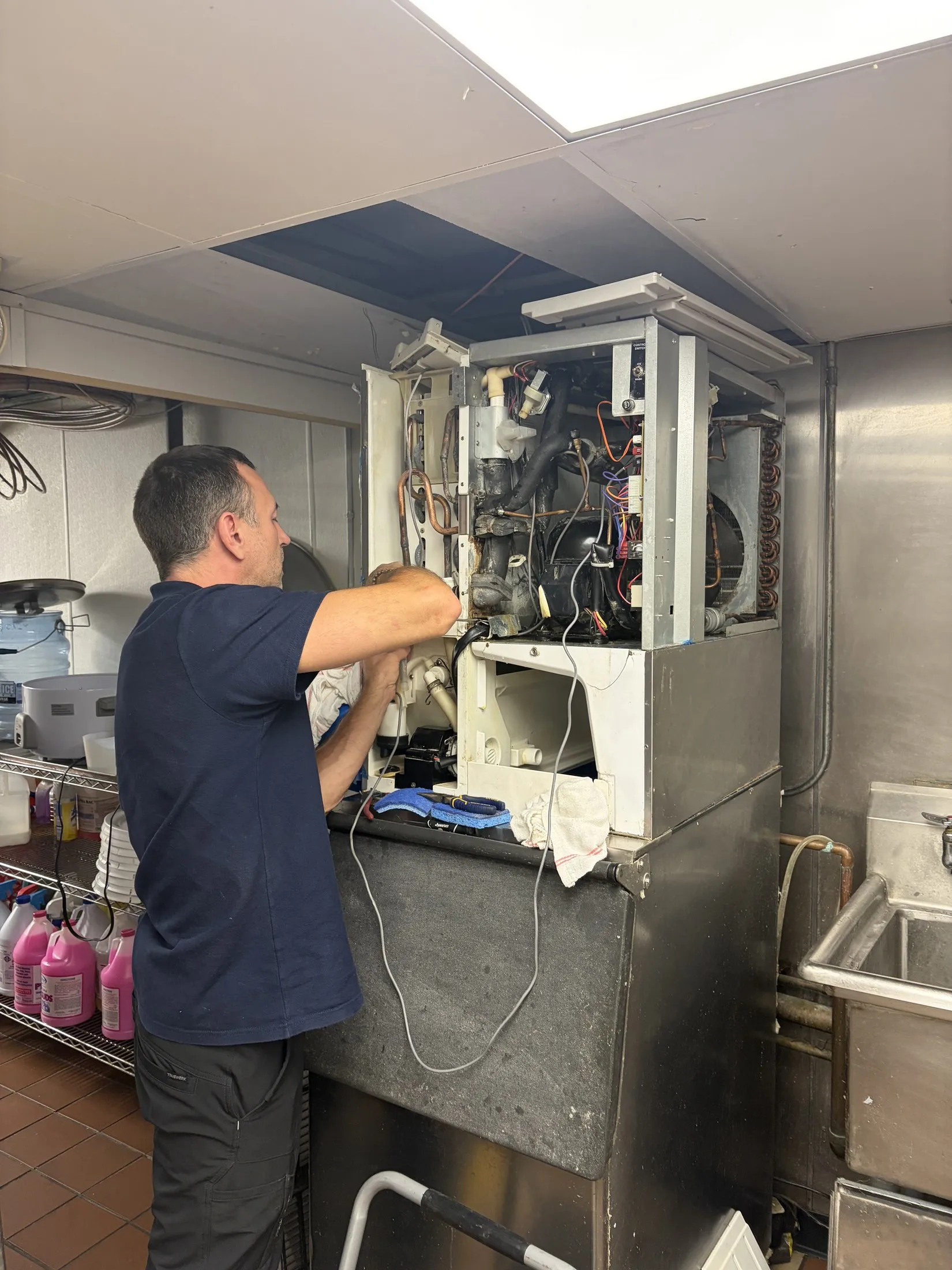
Low production, no ice, thin ice, harvest faults, water valves, filtration, and cleaning.
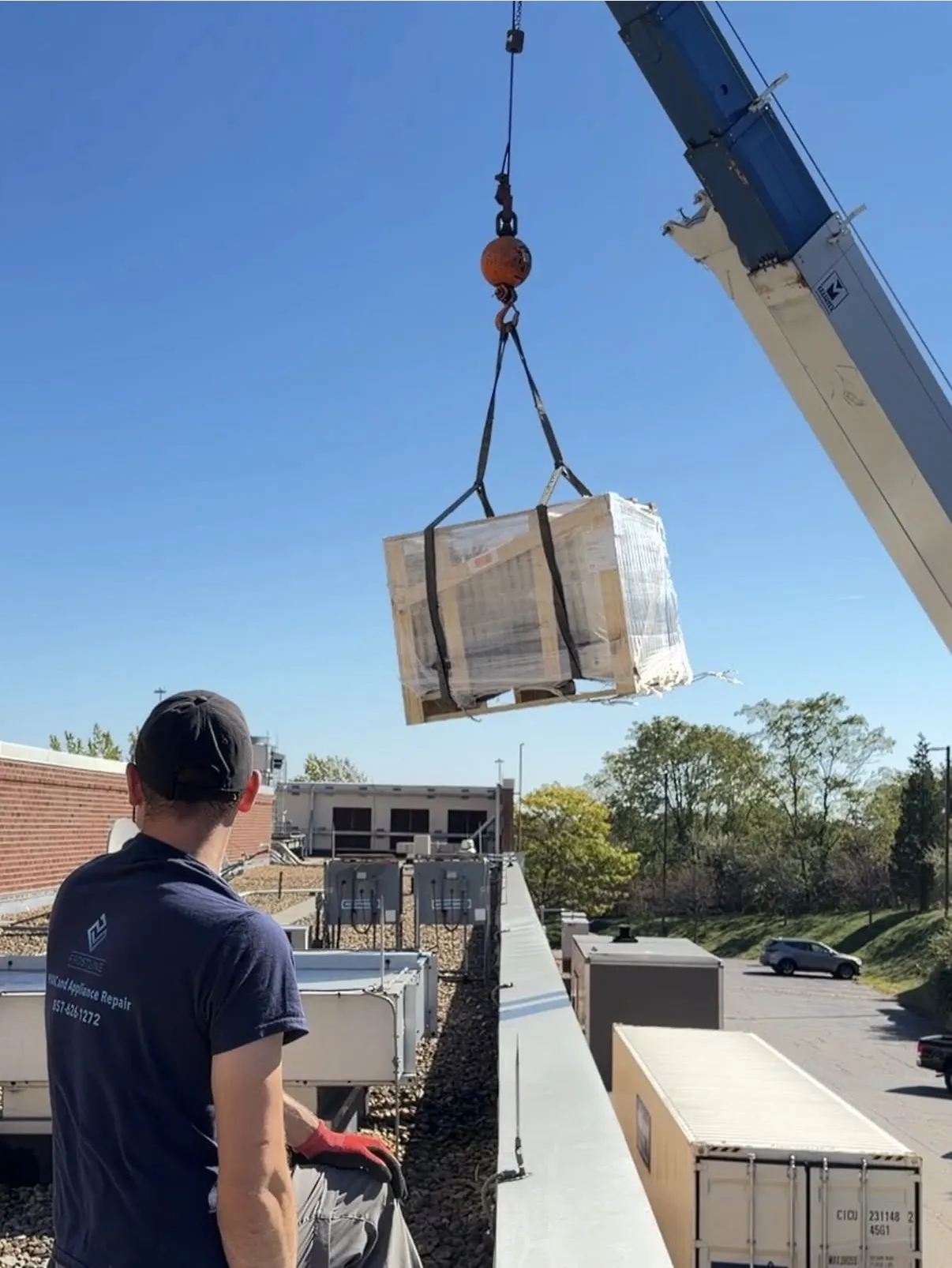
New walk-in installation, old-system removal, site preparation, equipment connections, startup, and commissioning.
Full equipment coverage
Choose the closest equipment category when you request service. If the unit type is unclear, send the brand, model, current temperature, and symptoms.
Cold rooms and remote refrigeration systems used for food, beverage, and inventory storage.
High-use kitchen refrigeration that supports prep, storage, and line operations.
Customer-facing and back-bar equipment where stable temperature and clean presentation both matter.
Ice production and dispensing systems for kitchens, bars, hotels, schools, and healthcare facilities.
Diagnosis covers the complete operating system rather than only the first visible symptom.
Same-day emergency service for Greater Boston businesses.
How we work
A simple three-step process keeps your team informed while the equipment is diagnosed and repaired.
Call or submit the online form 24/7 with the equipment type, location, and symptoms.
A certified technician visits the site and provides an upfront diagnosis of the problem.
Approved work is completed with transparent pricing and a service report for your records.
Brands we service
Our technicians diagnose and repair equipment from the manufacturers businesses across Greater Boston rely on. Share the model and serial number when booking so we can prepare for the visit.
 Hoshizaki
 Manitowoc Ice
 True Refrigeration
 Trenton Refrigeration
 Traulsen
 Turbo Air
 Beverage-Air
 Avantco
 Continental Refrigerator
 Victory Refrigeration
 Atosa
 Arctic Air
 Scotsman Ice Systems
 Ice-O-Matic
 Heatcraft
 Copeland
 Nor-Lake
 Master-Bilt
 Hussmann
 Perlick
Brand names and logos identify equipment we service; Frostline Boston is an independent service company. Don’t see your manufacturer? Call with the model number—we service many additional commercial brands.
A clearer service call
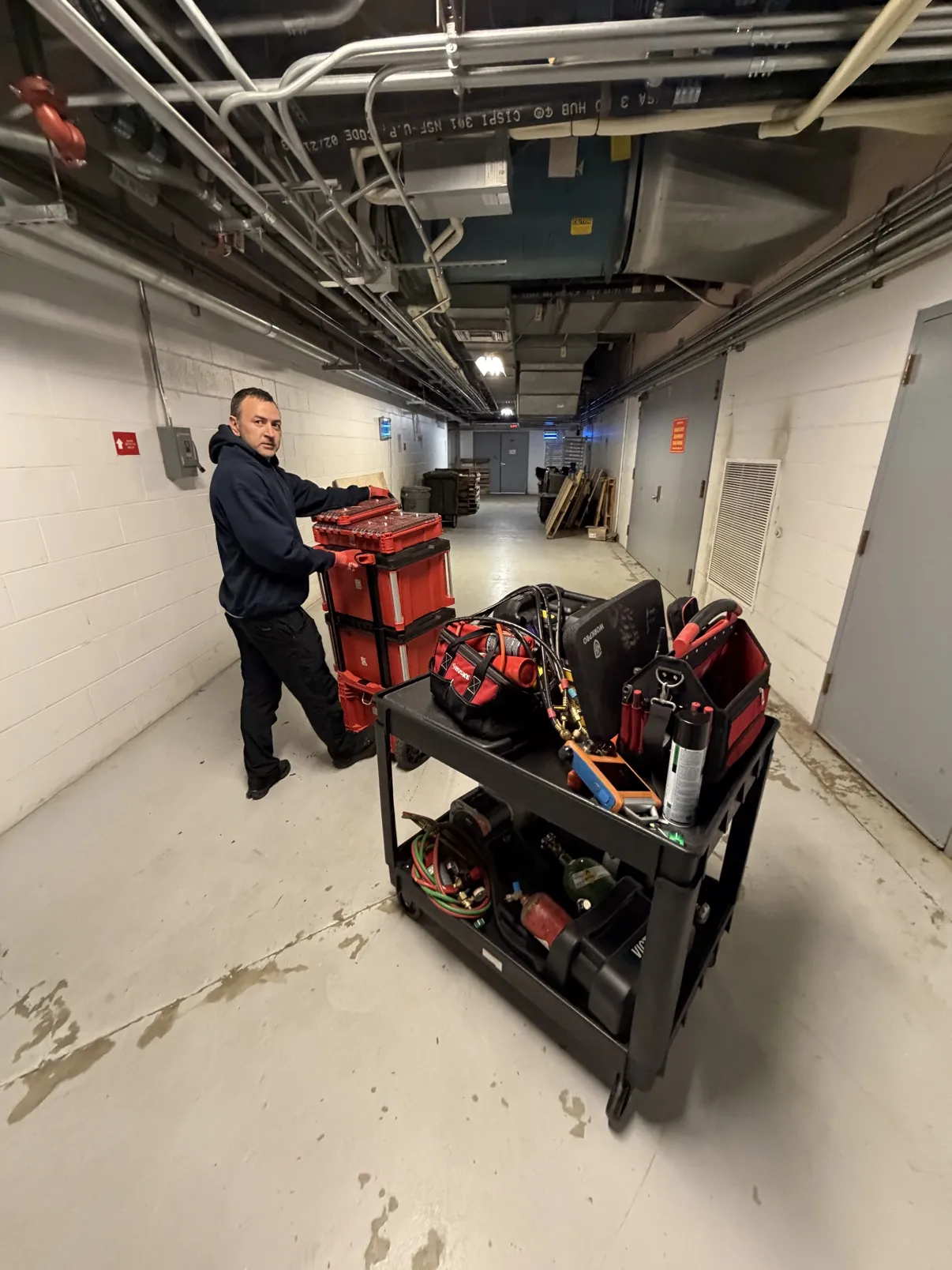
When equipment fails, managers need a direct answer: what happened, what protects the product now, what the repair requires, and what comes next.
Preventive maintenance
Dirty coils, restricted airflow, worn seals, and neglected drains force refrigeration systems to work harder. A practical maintenance plan helps catch those problems before they become a shutdown.
Massachusetts food-service readiness
Massachusetts food establishments are inspected by local regulatory authorities. Refrigeration readiness starts with equipment that holds temperature, can be checked quickly, and has a documented service history.
Frostline Boston can inspect commercial refrigeration, complete agreed maintenance or corrective work, and provide a dated, technician-signed service report after the visit.
Commercial-first service
Businesses we have served
Our real-world service experience includes hospitality, cafés, national food-and-beverage locations, and school facilities. Select a client type to see how refrigeration service supports that operation.
 MarriottRefrigeration and refrigeration service experience in guest-focused hospitality environments.
Restaurant & café
 Cafe LunaCommercial kitchen refrigeration support for a busy local restaurant operation.
Quick service
 Dunkin'Service experience at local locations where refrigeration and ice equipment support daily volume.
Coffee & beverage
 StarbucksService experience at local locations with high-use refrigeration and beverage equipment.
Institutional facilities
 SchoolsRefrigeration and refrigeration support for kitchens and facilities serving students and staff.
Client and brand names are used only to describe service experience. Frostline Boston is an independent service company; no endorsement or corporate-wide affiliation is implied.
For commercial property managers
Coordinate refrigeration and commercial HVAC work across tenant spaces, common areas, kitchens, and mixed-use buildings without rebuilding the process at every address.
Frostline Boston gives property teams one point of contact, clear work reporting, and maintenance options organized around the needs of each site.
Coordinate service for one building or a portfolio, with equipment and site details kept clear for each location.
Identify critical equipment and locations so urgent failures can be triaged with the right operational context.
Give managers, facilities teams, and approved site contacts a consistent path for requesting and coordinating work.
Build preventive maintenance schedules around equipment type, usage, seasonal load, and the cost of downtime.
Receive documented findings, completed work, recommendations, and next-step priorities that teams can review across locations.
Track seasonal service, pre-lease condition, and documented operating status for rooftop and split systems.
Customer feedback
For a commercial operator, a useful review is about more than a star count. It should say whether the service team communicated clearly, diagnosed the problem carefully, and followed through on the next step.
Clear scheduling, practical questions before arrival, and understandable updates about findings and next steps.
A system-level evaluation of temperatures, airflow, controls, electrical components, water, drainage, and refrigeration performance.
Documented recommendations, a clear estimate, and coordination when parts or a return visit are required.
Share the location type, equipment serviced, and what stood out about the experience. Your feedback helps other Greater Boston operators know what to expect.
Latest articles & tips
Maintenance reminders and early warning signs for the refrigeration, ice, and refrigeration systems your operation depends on.
A small electrical switch decides whether your compressor runs at all. How to recognize a pitted, welded, or chattering contactor — and the low-voltage control problems behind it — before a no-cool call becomes lost inventory.
Read the full article →A condenser fan that slows, stops, or spins the wrong way after a repair can drive head pressure up within minutes — overheating the compressor and shutting a walk-in down on its busiest day. Here is what that outdoor fan actually does, the warning signs owners can spot from the ground, and the safe checks to do before a hot box becomes lost inventory.
Read the full article →Door hard to open right after you close it? Panels that flex inward? The problem is often a tiny heated vent port — not the door itself. Here is how it works and the 2-minute check.
Read the full article →Every walk-in freezer has to defrost. Frost builds on the evaporator coil, airflow drops, and temperatures creep up — so the system periodically melts that frost away. What many owners in Greater Boston do not realize is that how a defrost ENDS matters almost as much as the defrost itself. Two small controls decide that ending: the defrost termination switch and the fan delay control. When they drift, stick, or fail, your freezer can waste energy after every single defrost, blow warm air over your product, and work much harder than it should — several times a day, every day.
Read the full article →Your walk-in, reach-in, or undercounter unit was fine yesterday. This morning the lights are on, the fans may even be running, but the box is warming up and the compressor is silent — or it clicks, hums for a few seconds, and stops. In a Greater Boston restaurant, cafe, market, or bakery, that sound pattern often points to a group of small, inexpensive electrical parts that most owners never see: the start relay, the start and run capacitors, and the overload protector. When one of them weakens, the compressor cannot start reliably — even if the compressor itself is still good.
Read the full article →If you follow the liquid line out of your condenser, on many commercial systems you will find a stout steel tank before the line heads indoors to the expansion valve. That tank is the refrigerant receiver — and while it has no motor, no fan, and nothing that appears to move, it is quietly doing one of the most important balancing jobs in your system: storing liquid refrigerant when the system does not need it, and giving it back the moment it does.
Read the full article →Your walk-in ran fine all summer. Then the first cold nights arrive in Greater Boston, the outdoor temperature drops into the 30s and 40s, and suddenly the cooler temperature starts drifting, the box takes longer to pull down after deliveries, or the system short-cycles and alarms. The refrigeration itself may not be broken at all. In many remote and outdoor condensing systems, the problem is head pressure that has fallen too low — and the controls designed to manage it are either missing, misadjusted, or failing.
Read the full article →Every time your compressor runs, it pushes a small amount of its own oil out with the refrigerant. On larger walk-in and remote systems, an oil separator on the discharge line is supposed to catch that oil and send it straight back to the crankcase. When the separator or its return line fails, the compressor slowly starves while oil pools where it does no good — coating coils, logging in traps, and raising energy costs. Here is how oil circulation is supposed to work, why return fails, and the signs your compressor is running dry.
Read the full article →If your walk-in cooler or freezer suddenly stopped cooling and the compressor is silent, the compressor may not be dead at all — a small safety device called a pressure switch may have shut the system down on purpose. Here is what high- and low-pressure switches do, why they trip, what you can safely check before you call, and why a trip should never be bypassed or reset over and over.
Read the full article →If you have ever watched a refrigeration technician clip a thermometer to a copper line, attach gauges, and write down two numbers before saying anything about your walk-in or reach-in, you have seen superheat and subcooling being measured. This guide explains both terms in plain English, what readings that are too high or too low usually point to, and what you as an owner should — and should not — do with that information.
Read the full article →On many walk-in coolers and freezers, a small electric valve in the liquid line quietly shuts off refrigerant flow every time the box reaches temperature — then the compressor keeps running just long enough to “pump down” the low side into the receiver before it stops. That simple cycle protects the compressor from liquid migration overnight and makes the next start far safer. Here is how pump-down works, what it prevents, and the signs the valve is not doing its job.
Read the full article →On many walk-in coolers, walk-in freezers, and remote condensing units, a plain vertical steel tank sits on the suction line near the compressor — the suction accumulator. Its one job is to catch liquid refrigerant before it can reach the compressor, because compressors are built to compress vapor, and liquid can wash oil off bearings, dilute the oil, and break internal parts. Here is what the tank actually does, when liquid floodback is most likely, the signs worth reporting, and why replacing a tired accumulator is cheap insurance next to the compressor it protects.
Read the full article →Tucked around the bottom of many commercial compressors is a heater most owners never notice — until it fails. A crankcase heater keeps refrigerant from settling into the compressor oil during cold off-cycles in a Boston winter. When it stops working, the next start can push oil out, foam the crankcase, and quietly shorten compressor life. Here is what this small heater does, how to tell if it may have failed, and what to have checked before the coldest months arrive.
Read the full article →On many commercial systems there is a small round window in the liquid line — a sight glass with a colored center that reads green or yellow. It is one of the quickest health checks on the whole system: bubbles where there should be solid liquid, or a color change that means moisture has gotten inside a system that must stay bone-dry. Here is what the sight glass can and cannot tell you, what owners can safely note, and why a yellow indicator is a call now, not a wait-and-see.
Read the full article →The thicker copper line running to your compressor is wrapped in black foam for a reason. That suction line insulation keeps cold refrigerant vapor cold on its way back to the compressor and keeps condensation off your ceilings, floors, and stored product. When the foam cracks, tears, goes waterlogged, or goes missing, the system runs longer, water drips where it should not, and bigger problems can hide underneath. Here is how to spot failing insulation on your regular walkthrough, where to check first, and what not to do when you find it.
Read the full article →Everyone remembers the condenser outside. Almost nobody thinks about the other coil — the evaporator inside the box, where cold air is actually made. When it coats over with kitchen grease, flour dust, produce soil, and biofilm, airflow chokes, the coil ices, temperatures climb, and the compressor pays for it. Here is how to tell when your evaporator coil needs cleaning, what a proper cleaning actually involves, and the habits that keep it clear between visits.
Read the full article →It costs a fraction of a compressor, fits in the palm of a hand, and most owners never hear its name until a repair bill explains it. The liquid line filter-drier traps moisture and debris inside your refrigeration system before they can freeze at the expansion valve, eat away at motor windings, or score a compressor from the inside. Here is what it does, how to tell when it is saturated or clogged, and why it should be changed every time the system is opened.
Read the full article →It is one of the smallest parts in your walk-in, reach-in, or ice machine — and one of the most misunderstood. The thermostatic expansion valve (TXV) meters refrigerant into the evaporator minute by minute. When it starts to fail, the compressor keeps running, temperatures drift, frost appears in the wrong places, and owners often pay for refrigerant that was never the problem. Here is what the valve does, the warning signs that it is starving or flooding your coil, and what to check before you call.
Read the full article →Pale, dry patches on chicken, grey edges on ground beef, gritty ice cream — freezer burn quietly turns good inventory into trash. This guide covers the five causes — packaging, temperature swings, airflow, overfilling, and hidden equipment faults — plus a daily, weekly, and monthly prevention routine, and when the equipment itself is the problem.
Read the full article →If your reach-in, walk-in, or prep table starts, runs for a minute or two, stops, and starts again all day long, it is short cycling — one of the fastest ways to wear out a compressor while the box still feels mostly cold. This guide covers the seven most common causes, a five-minute check your team can do today, what not to do, and when to call a technician.
Read the full article →That buzz, click, or rattle coming from your reach-in or walk-in is often the earliest warning of a problem — if you know how to read it. This guide breaks down the most common commercial refrigeration sounds, which ones are normal, which ones mean trouble, and exactly when to call a technician before a small noise becomes an expensive failure.
Read the full article →A torn walk-in gasket or a failed strip curtain does not have to wait a week for a parts delivery. This guide lists the inexpensive, owner-replaceable spares every commercial kitchen should stock — gaskets, door hardware, water filter cartridges, thermometers, and more — plus what you should never try to replace yourself.
Read the full article →A dipping cabinet lives a harder life than any other freezer in the shop — lids opening a hundred times a day, humid air rushing in, and product that must stay exactly scoopable, never frozen solid or gone soft. This guide covers the serving-temperature sweet spot, frost control, lid and gasket care, condenser coil attention, and the stocking habits that keep the compressor from working overtime.
Read the full article →A good refrigeration invoice tells you exactly what was done, what it cost, and why. This guide walks Greater Boston food-business owners through every section — trip charges, labor, parts, refrigerant by the pound, and the vague line items worth questioning — so you can pay with confidence and build a service history that saves you money.
Read the full article →Most refrigeration failures give warnings days before they become emergencies — but only if someone is looking. Here is a 5-minute morning walkthrough for restaurant, cafe, and market managers in Greater Boston: temperatures, sounds, gaskets, drains, and the one habit that saves more product than any alarm system.
Read the full article →A dust-packed condenser coil from a real job — and how restricted airflow forces your compressor to run longer, driving up energy costs month after month.
Read the full article →Your ice machine or walk-in cooler came with a warranty — but most owners never read it until something breaks. Here is what commercial refrigeration warranties actually cover (and the fine print that voids them): parts vs. labor, compressor warranties, maintenance clauses, and how to keep a claim from being denied.
Read the full article →Most refrigeration failures don't come out of nowhere — they come from maintenance that never got scheduled. Here is a practical month-by-month calendar for Boston food businesses: what to do in-house each month, what to hand a technician twice a year, and how to fit it all around New England seasons.
Read the full article →Salad bars, cold food wells, and refrigerated buffet stations have one of the hardest jobs in a commercial kitchen: holding food at safe temperatures while guests lean over the sneeze guard all day. Here's how the equipment actually keeps food cold, the daily habits that keep temperatures legal, and the maintenance that prevents mid-service failures.
Read the full article →A food truck is a commercial kitchen that hits potholes at 40 mph. Here's how to protect the refrigeration that keeps your truck legal and profitable — power sizing, ventilation, vibration, and end-of-season shutdown.
Read the full article →Cold weather changes how refrigeration behaves. Learn which low-ambient controls protect compressors, stabilize head pressure, and keep Greater Boston equipment reliable through winter.
Read the full article →Your walk-in's condensing unit sits on the roof where nobody sees it — and that's exactly why it gets neglected. What the roof does to the equipment, and the maintenance it actually needs.
Read the full article →Real photos from a recent maintenance visit — a dust-choked condenser coil, the cleaning in progress, and why this simple service protects your compressor, your energy bill, and your product.
Read the full article →Power surges, sags, and split-second flickers silently damage compressors and control boards — often weeks before the failure shows up. Here's how Greater Boston food businesses can protect their refrigeration equipment with whole-facility surge protection, phase monitors, and the right electrical setup.
Read the full article →A real photo of an evaporator coil buried in ice — and why a clogged drain line got it there. What owners should watch for before it becomes an emergency.
Read the full article →Seasonal soft serve stands across Greater Boston are closing for winter. A proper shutdown — deep cleaning, sanitizer removal, o-ring and blade inspection, dry storage, and electrical protection — is the difference between a machine that wakes up ready in spring and one that starts the season with a four-figure repair.
Read the full article →Used commercial refrigeration can be a smart buy — or an expensive lesson. Here's how to check the compressor, coils, gaskets, refrigerant history, and controls before you hand over cash.
Read the full article →A blast chiller pulls hot, freshly cooked food through the temperature danger zone fast — something a walk-in was never designed to do. Here's how they work, who actually needs one, and how to keep yours running.
Read the full article →Foamy pours, flat pints, and sour off-flavors usually trace back to the same few culprits: temperature swings, dirty lines, and gas pressure problems. Here's how to keep your draft system pouring clean.
Read the full article →How long does commercial refrigeration equipment really last? Realistic lifespans for walk-ins, reach-ins, and ice machines — and what stretches or shortens them in Greater Boston kitchens.
Read the full article →Every commercial refrigerator, freezer, and ice machine carries a nameplate with the facts a technician needs most — model, serial, refrigerant, and electrical data. Frostline Boston shows Greater Boston food business owners what to look for and why a photo of that label saves time on every service call.
Read the full article →One compressor in each box, or one big condensing unit on the roof? Frostline Boston breaks down self-contained vs. remote refrigeration — cost, noise, heat, service, and which setup makes sense for Boston food businesses.
Read the full article →As temperatures drop, rodents and insects move indoors toward warm equipment. Here's how to protect your compressors, condensers, and wiring before pest season causes a breakdown.
Read the full article →A walk-in door that won't close on its own is an energy leak and a food-safety risk. Frostline Boston explains how hinges, closers, latches, and heated door frames fail — and what to check before the problem snowballs.
Read the full article →The refrigerants most commercial kitchens rely on — R-404A, R-507 and their cousins — are being phased down. Frostline Boston explains what's actually changing, what it costs you, and how to plan so you're not surprised.
Read the full article →Your reach-in is the hardest-working box in the kitchen — opened dozens of times a day in the hottest room of the building. These daily and monthly habits keep it cold, efficient, and alive for years longer.
Read the full article →Fall is the ideal window to service commercial refrigeration in Greater Boston: clean coils, check gaskets and drains, verify defrost and temperatures, and seal out rodents before the holiday rush and cold weather arrive.
Read the full article →A failed walk-in puts thousands of dollars of inventory at risk. Frostline Boston shares the 30-minute playbook: what to check, how to protect product, and what not to do.
Read the full article →A practical routine for water, airflow, sanitation, and performance checks before low ice production interrupts service.
Read the full article →How restricted heat transfer raises operating stress, slows temperature recovery, and turns routine care into an urgent repair.
Read the full article →Six checks to complete before higher kitchen temperatures and longer run times expose weak equipment.
Read the full article →Temperature drift, changing sounds, longer run times, and unusual ice patterns can all signal a developing problem.
Read the full article →Local commercial refrigeration coverage
Based in Newton and serving restaurants, markets, hotels, commercial kitchens, and managed properties across Boston and nearby communities. Select a city for a local commercial refrigeration service guide.
Don’t see your city? Service may still be available—call (857) 666-8916 to confirm coverage for your commercial refrigeration or refrigeration equipment.
Commercial service FAQ
The fastest way to schedule is to call with the equipment type, symptoms, and service address ready.
Same-day service is available based on technician capacity, location, and the equipment problem. For urgent temperature loss or product at risk, call so the team can assess priority and timing.
We service walk-in coolers and freezers, reach-ins, undercounter and worktop refrigerators, prep tables, display and merchandiser cases, wine coolers, commercial ice machines, soft serve and frozen yogurt machines, ice cream and gelato batch freezers, and commercial milkshake machines.
Yes. We service major commercial brands including Hoshizaki, Manitowoc Ice, True, Trenton, Traulsen, Turbo Air, Beverage-Air, Avantco, Continental, Victory, Atosa, Arctic Air, Scotsman, Ice-O-Matic, Heatcraft, Copeland, Nor-Lake, Master-Bilt. Share the brand and model number when requesting service so the visit can be prepared appropriately.
Yes. Tell us how many locations and what equipment is at each site. We can discuss a preventive maintenance approach and clear documentation for your operations team.
Call now for an urgent issue or submit a structured service request online anytime, 24/7.